
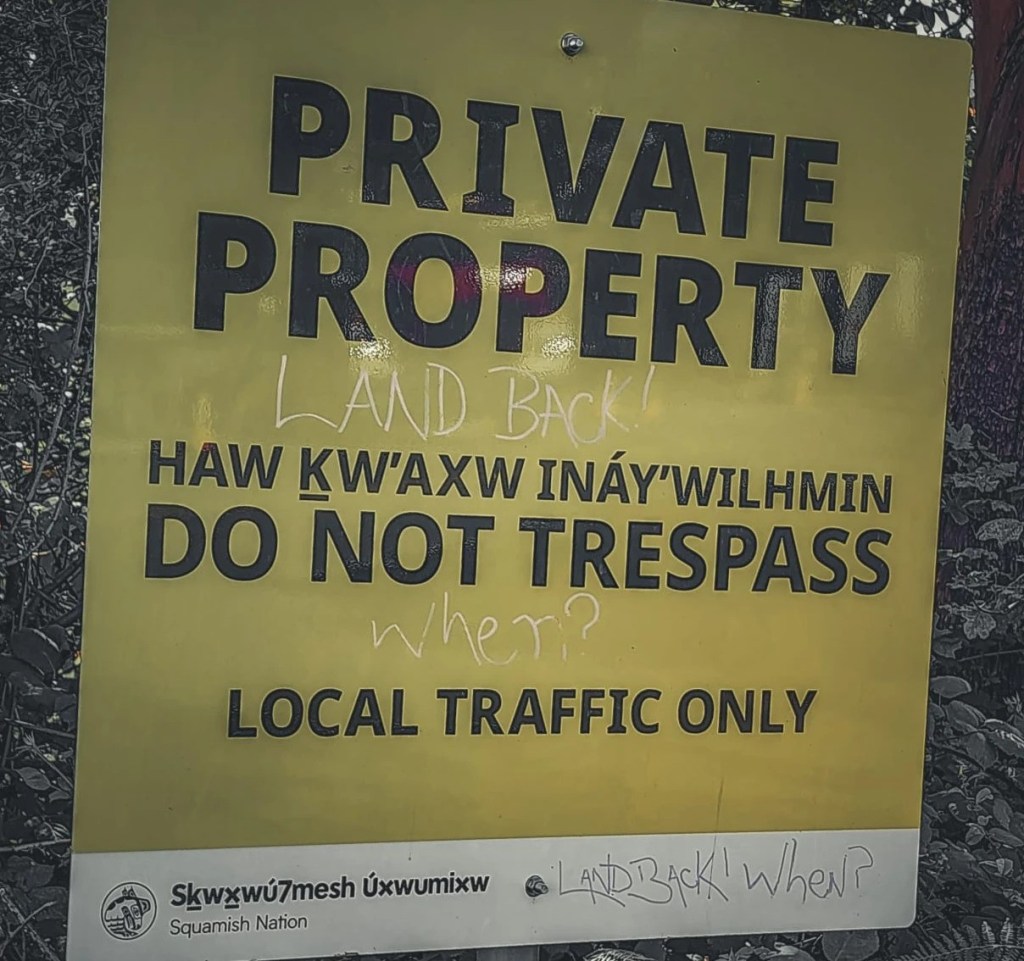
Visual: Yasmine Elsayed
As of June 2024, the government of Canada released a news release declaring Bill C-226 in support of environmental justice.
Environmental justice is a social movement otherwise known as “eco-justice.” It originated in the United States in the 1980s. Its primary objective was and continues to address the environmental injustices that target marginalized communities. The US Environmental Protection Agency (EPA) officially defines it as “The fair treatment and meaningful involvement of all people regardless of race, colour, national origin, or income, with respect to the development, implementation, and enforcement of environmental laws, regulations, and policies.”
While environmental justice addresses all forms of environmental inequity, one specific sub-branch tends to arise more than others: environmental racism. Environmental racism refers to the placement of low-income or minority communities in proximity to environmentally hazardous or degraded environments, such as toxic waste sites, landfills, and other sources of pollution.
It is a different form of systematic racism. This is, unfortunately, unavoidable since racism is a cornerstone that governments are built upon. Creating an environmental justice bill – C-226 – could be viewed as both an admission of negligence of marginalized communities and perhaps a step towards the right path. However, realistically, solving environmental racism will take quite a long time.
In Canada, Indigenous peoples are the group most affected by environmental racism. Many Indigenous communities face harsh environmental consequences, such as exposure to pollution, lack of access to clean water, and the impacts of resource extraction activities on their lands. These are rooted issues that carried on from colonial times until now.
The legislation’s reaction to creating bills that address environmental justice is relatively recent. In June 2021, former MP Lerone Zann brought forth Bill C-230, which respects “the development of a national strategy to redress environmental racism.” The House of Commons Environment Committee approved it but did not pass due to Parliament’s dissolution for elections. When Parliament goes into elections, all previous parliamentary business ends, meaning the bill must be reintroduced.
Bill C-226 is a reintroduction of Bill C-230. In February 2022, MP Elizabeth May aimed to continue what Bill C-230 started. In March 2023, Bill C-226 passed the third reading. On June 21st, the Government of Canada announced that “Honourable Steven Guilbeault, Minister of Environment and Climate Change, welcomed the Royal Assent of Bill C-226.” Officially becoming a law. Bill C-226 will require the Minister of the Environment to work with multiple stakeholders, such as Indigenous and radicalized communities, environmental organizations, and government bodies, to ensure that Bill C-226 is properly implemented.
It is essential that the Canadian Government is strict in carrying out this law. With Bill C-226 in place, the centuries of discrimination and unfairness toward marginalized communities, specifically the Indigenous Peoples of Canada, can be finally addressed and hopefully abolished.
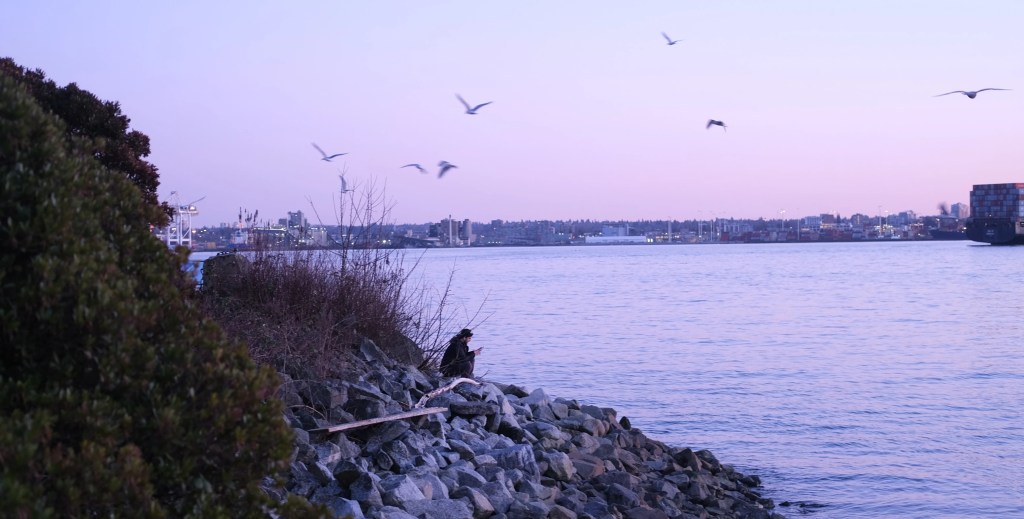
We respectfully acknowledge that we live and work on the traditional and unceded territories of the Sḵwx̱wú7mesh (Squamish) and səl̓ilwətaɬ (Tsleil-Waututh) Nations.


 The Crew Gazette
Leave a comment